
Groundbreaking results in high-risk childhood ALL: Immunotherapy reduces relapses and treatment burden
Children with high-risk acute lymphoblastic leukemia (ALL) may soon benefit from a less intensive and more effective treatment approach. An international clinical trial led by the ALL-BFM Study Center at the University Hospital Schleswig-Holstein (UKSH), Campus Kiel, shows that two particularly intensive blocks of chemotherapy can be replaced by the immunotherapy blinatumomab. This approach reduced relapses by almost half while also substantially lowering severe treatment-related side effects. The results have recently been published in the New England Journal of Medicine.
In the international randomized study, children with high-risk B-cell ALL either received the established intensive chemotherapy or two cycles of blinatumomab instead of two intensive chemotherapy blocks. More than 100 study centers in eight countries participated in the trial.
ALL is the most common cancer in children and adolescents. Although around 90% of children with ALL can now be cured, patients with high-risk disease continue to face a considerably higher risk of relapse and consequently receive a particularly intensive chemotherapy. Thus, one important goal in pediatric oncology remains to reduce this treatment burden without compromising the disease control. Blinatumomab is a bispecific antibody that brings the body’s own T cells into direct contact with leukemia cells, thereby facilitating their recognition and killing. After a median follow-up of 2.9 years, the estimated 4-year event-free survival was 83.0% in the blinatumomab group, compared with 70.3% in the chemotherapy group. The replacement of chemotherapy also substantially reduced treatment-related toxicity. Infections occurred in 23.9% of children receiving blinatumomab, compared with 69.4% in the chemotherapy group. Life-threatening adverse events were reported in only 0.5% of patients in the blinatumomab group, compared with 4.7% in the chemotherapy group. Thus, while replacing the two intensive chemotherapy blocks improved disease control, it also considerably reduced some of the most serious complications associated with treatment.
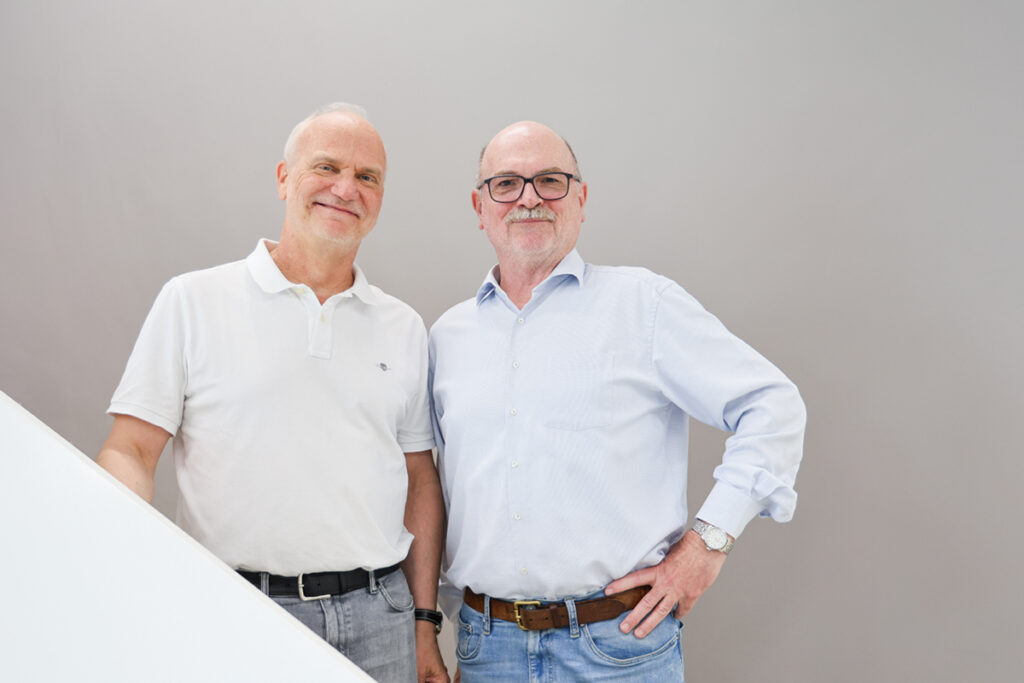
“These results represent a breakthrough in the treatment of children with acute lymphoblastic leukemia,” says Prof. Dr. Martin Schrappe, head of the study and professor at Kiel University (Christian-Albrechts-Universität zu Kiel, CAU). “For the first time, we were able to show that immunotherapy in the initial treatment of ALL can not only help in addition to chemotherapy, but can also replace particularly burdensome chemotherapy. Prof. Dr. Gunnar Cario, head of the ALL-BFM study center and director of the Department of Pediatric Oncology and Rheumatology at UKSH, Campus Kiel, adds: “The results make us very confident. Our goal is to replace chemotherapy with more effective and better-tolerated immunotherapies in other patient groups as well. A corresponding study will start this year.” Both studies are made possible largely through funding from the German Cancer Aid (Deutsche Krebshilfe).
The work is closely connected to the research activities of DFG-funded clinical research unit CATCH ALL (Prof Cario is PI of P1, Prof. Schrappe was PI of Z and is now in an advisory role) and embedded in the research activities of the Kiel Oncology Network (KON) of the CAU Faculty of Medicine and the University Cancer Center Schleswig-Holstein (UCCSH), the alliance of all oncology institutions of UKSH as well as the universities in Kiel and Lübeck.
Resource: press release, UKSH Kiel (in German)