CATCH ALL starts second funding phase with a relevant publication output
The Clinical Research Unit CATCH ALL at the University Hospital Schleswig-Holstein, Campus Kiel, and the medical faculty of the Kiel University has started its second funding phase with a series of relevant publications in distinguished journals that underline the scientific depth, the strong interdisciplinary collaborations within and beyond the CRU, and its consistent translational focus. Funded by the German Research Foundation until 2030, the consortium continues to advance the understanding of acute lymphoblastic leukemia across biological, diagnostic, and therapeutic dimensions.
Work led by Profs. Claudia Baldus and Gunnar Cario (P1) with the INF principal investigator Dr. Alina Hartmann as first author provides a detailed analysis of KMT2A-rearranged B-ALL across all age groups published in HemaSphere. By combining genomic, transcriptomic, and functional data from 465 patients, the study demonstrates that the developmental stage of leukemic cells critically shapes treatment response. Cases with a more mature phenotype showed improved clearance of measurable residual disease, whereas less mature profiles pointed towards alternative therapeutic vulnerabilities. In a complementary approach, Dr. Ingram Iaccarino and Prof. Wolfram Klapper (P2) report in Leukemia that KMT2A-rearranged B-lymphoblastic lymphomas differ clearly from their leukemic counterparts. Their analyses reveal a shift towards a more mature developmental stage and distinct fusion partner patterns in lymphoma, suggesting that cellular origin contributes to differences in disease localization and clinical behavior.
Key publications in Blood defines novel subtypes in ALL
Johanna M. Horns and corresponding author and Prof. Monika Brüggemann (P3) define a distinct subtype of B-ALL associated with IDH2-mutant clonal hematopoiesis following lenalidomide exposure in a study published in Blood. The findings demonstrate how pre-existing clonal alterations and therapy-induced genetic changes interact to drive leukemogenesis, which offers important insights into the development of secondary malignancies. In addition, a recent publication, led by P3 PhD candidate Sonja Bendig with senior authors Lorenz Bastian (P4) and Monika Brüggemann (P3), describes a novel molecular subtype of B-ALL defined by IGH::FENDRR rearrangements and recurrent KRAS mutations. Based on the analysis of large patient cohorts, the study identifies a distinct biological profile associated with poor response to standard chemotherapy. At the same time, the data suggest that patients within this subgroup may benefit from early use of immunotherapeutic approaches and intensified treatment strategies.
Immune mechanisms in targeted ALL therapies
Mechanistic aspects of immunotherapy are addressed in work by Miriam Kelm and senior author Dr. Dr. Guranda Chitadze (P3). The study provides a detailed analysis of Blinatumomab-induced T-cell activation, revealing functional differences between αβ and γδ T-cell subsets. These observations open new perspectives for combination strategies that may enhance immune-mediated tumor control. Complementing this, a new study by Maja Kowol and Dr. Marta Lustig (P6) with senior author Prof. Thomas Valerius (P6) focuses on myeloid cell-mediated anti-leukemic activity. The authors show that IgA-based antibody variants targeting CD38 or CD20 can induce stronger cytotoxic responses than conventional IgG antibodies, particularly when combined with blockade of the CD47/SIRPα checkpoint. This combined approach enhanced immune-mediated killing in preclinical models and points to a promising strategy to improve antibody-based therapies in B-ALL.
Improving molecular classification with advanced computational tools
Further progress in diagnostic innovation is reflected in a recently accepted paper in HemasSpere by INF PhD candidate Nadine Wolgast, together with senior author Dr. Lorenz Bastian. The team introduces IntegrateALL, a comprehensive RNA sequencing pipeline that enables reproducible subtype classification while integrating drivers and transcriptomic profiles. This approach strengthens molecular diagnostics and supports more precise patient stratification.
Novel combination therapy shows feasibility in early clinical testing
Clinical translation is addressed in a phase I trial led by CATCH ALL-associated physician and scientist Dr. Lars Fransecky, with last author and CATCH ALL speaker Prof. Claudia Baldus. The study evaluates the combination of Venetoclax and Blinatumomab in adults with relapsed or MRD-positive B-ALL. The treatment was shown to be safe and feasible, with encouraging molecular remission rates, particularly among MRD-positive patients, supporting its further evaluation in the ongoing phase II study.
A strong basis for the next stage of CATCH ALL research
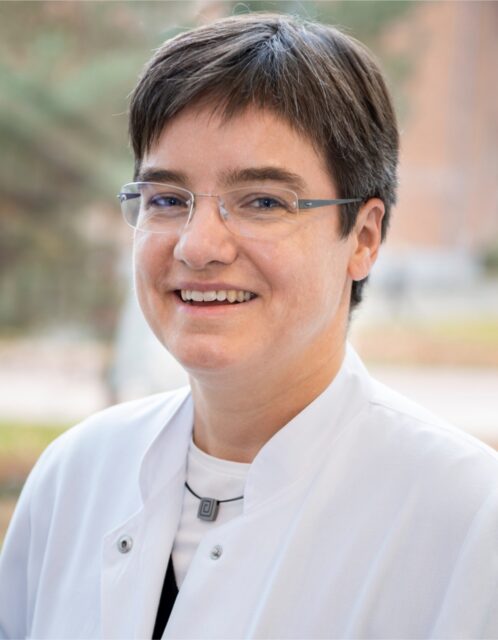
Prof. Claudia Baldus, speaker of CATCH ALL and executive board member of the University Cancer Center Schleswig-Holstein (UCCSH), emphasizes the broader significance of these findings: “These studies reflect the strength and scientific impact of our collaborative work over the past funding period. They provide a robust scientific foundation and, importantly translation in improving diagnostics and treatment strategies in ALL across age.”
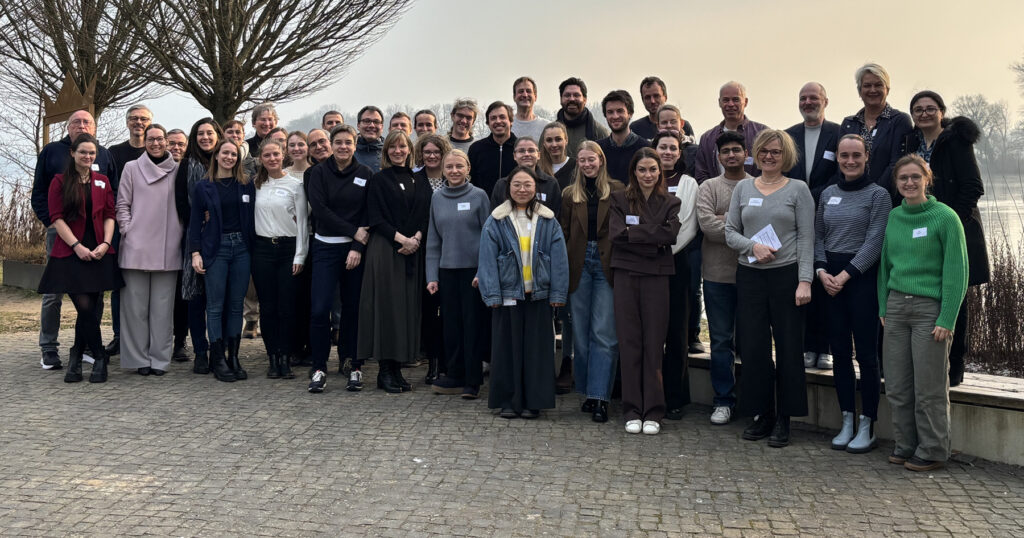
This collection of recent published paper are a strong and motivating starting point for the years ahead. CATCH ALL now enters its second phase and can build on a solid basis to achieve its scientific goals.